


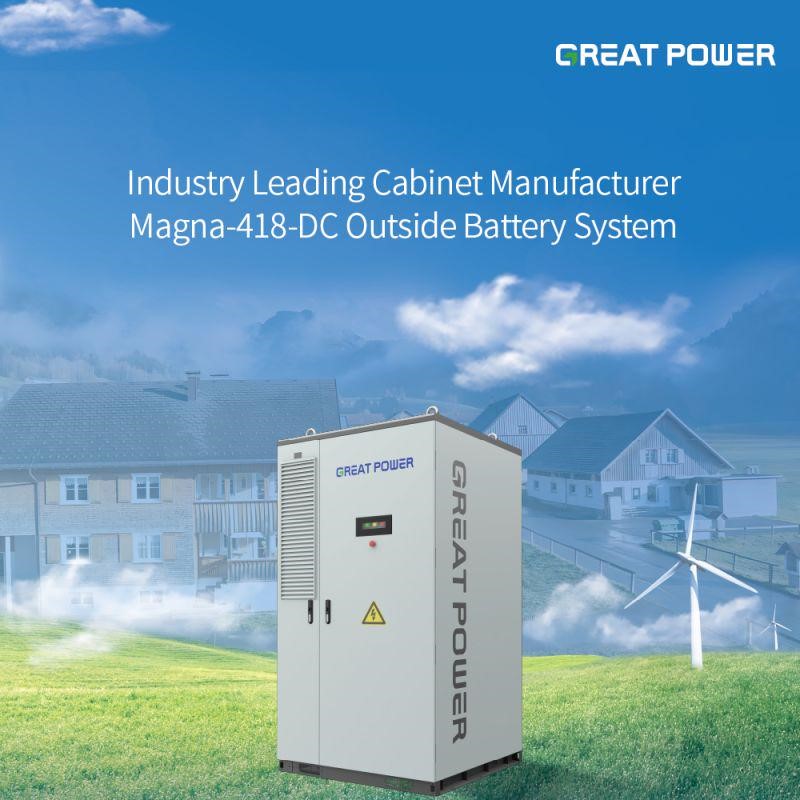
 Energy containers have become a key component in modern microgrid projects because they provide a scalable and efficient way to store and manage electricity. Compared with some site-built storage installations, containerized systems may simplify equipment integration and phased expansion when the site and electrical design are suitable.Understanding how an energy container supports microgrids helps businesses, utilities, and project developers choose suitable storage solutions for their specific energy requirements.What Are Energy Containers for Microgrids?An energy container is a prefabricated storage system that integrates batteries, power management equipment, cooling systems, safety components, and monitoring technologies inside a standardized container structure. Prefabrication can reduce some on-site assembly work, although foundations, electrical connections, fire-safety provisions, commissioning, and grid interconnection may still be required.Microgrids depend on reliable energy storage because renewable sources such as solar and wind cannot always produce electricity according to demand. Storage containers help capture excess energy during periods of high generation and release electricity when supply decreases.For many projects, a containerized battery system can simplify initial transportation and provide modular deployment, subject to project-specific engineering and installation requirements. These features make containerized storage suitable for industrial facilities, remote locations, commercial buildings, and utility-scale applications.How Energy Containers Improve Microgrid PerformanceMicrogrids must maintain a balance between electricity production and consumption. Energy containers help achieve this balance by storing available power and delivering electricity when additional support is required.One major application is renewable energy integration. Solar and wind generation often experience fluctuations caused by environmental conditions. Storage can smooth the microgrid’s net power profile by charging during surplus generation and discharging when renewable output is lower.Another important function involves backup power and grid stability. A microgrid may continue supplying selected loads during a grid interruption when it includes appropriate islanding controls, sufficient stored energy, and compatible power-conversion equipment. This capability is especially valuable for critical infrastructure, industrial operations, and communities that require continuous power availability.Energy storage systems within microgrids can support load management, renewable energy scheduling, and backup operation. Utility operators can improve power distribution, reduce pressure on existing infrastructure, and create more flexible energy networks.Key Components of Energy ContainersA reliable containerized storage system depends on several integrated components working together. The battery system is the core element because it determines energy capacity, efficiency, and operating performance.Battery management systems are another essential component. The BMS monitors cell conditions, calculates battery status, applies protection limits, and communicates operating constraints to the PCS or microgrid controller. Effective monitoring helps extend battery lifespan and maintain consistent performance.Thermal management is also critical for containerized storage. Batteries require suitable temperature conditions to operate efficiently, making cooling and environmental control systems necessary for long-term reliability.Modern energy containers may also include intelligent monitoring platforms that allow operators to track performance remotely. These features help improve maintenance efficiency and provide better visibility into system operation.Choosing the Right Energy Container for Microgrid ProjectsSelecting the right storage container requires careful consideration of project objectives and operating conditions. Capacity requirements, installation environment, energy usage patterns, and future expansion plans all influence the ideal solution.Safety is one of the most important factors when evaluating suppliers. A well-designed storage container should include appropriate protection systems, reliable battery management technology, and solutions that support stable operation.Scalability is another important consideration. Microgrid projects often develop over time, and modular storage solutions allow customers to increase capacity without replacing the entire system.Great Power provides battery technologies and large-scale energy storage solutions designed for different application scenarios. Its energy storage portfolio includes cells, packs, racks, cabinets, and containers.The Role of Energy Storage Utilities in Microgrid DevelopmentEnergy storage utilities are becoming increasingly important as electricity systems become more decentralized. These solutions help utilities and energy operators manage fluctuations, improve grid flexibility, and support renewable energy adoption.Within microgrids, storage systems provide multiple benefits beyond simple electricity backup. They can support peak demand management, improve energy efficiency, and help optimize the use of locally generated power.An effective microgrid storage strategy requires suitable battery technology, coordinated controls, and project-specific system integration. Suppliers with experience in large-scale storage applications can help organizations develop solutions that meet both current and future energy needs.The combination of renewable generation and storage technology creates opportunities for more resilient energy infrastructure. Microgrids supported by containerized storage can provide greater independence while reducing reliance on traditional power systems.Great Power’s Contribution to Containerized Energy Storage SolutionsGreat Power focuses on battery technologies and energy storage applications that support the development of modern power systems. The company’s large-scale storage solutions are designed for applications requiring dependable performance, efficient operation, and flexible deployment.The growing demand for containerized storage has increased the importance of suppliers that understand both battery manufacturing and system integration. A complete solution requires coordination between battery technology, energy management systems, and project requirements.The company’s experience in battery technologies reflects how specialized manufacturers can support the advancement of microgrid applications. Through continuous development of storage solutions, Great Power contributes to improving energy reliability across commercial, industrial, and utility environments.Future Development of Energy Containers for MicrogridsThe future of microgrids will depend on technologies that improve energy flexibility and reliability. Containerized storage systems are expected to become more widely adopted because they offer practical advantages for projects requiring scalable energy solutions.Advancements in battery technology, monitoring systems, and energy management platforms will continue improving storage performance. These developments will allow microgrids to operate more efficiently while supporting greater renewable energy usage.The connection between energy container solutions and smart energy management will remain an important trend. Organizations seeking stronger energy independence will increasingly evaluate storage systems based on reliability, adaptability, and long-term value.ConclusionEnergy containers provide a flexible and efficient approach for strengthening microgrid performance. By combining batteries, control systems, and safety technologies in a single integrated platform, these solutions help address challenges related to renewable energy integration and power reliability.The selection of suitable storage technology requires careful evaluation of system design, battery capability, scalability, and supplier experience. Energy containers supported by advanced manufacturing and intelligent management can deliver greater value for different microgrid applications.A stronger focus on reliable battery systems and intelligent storage technologies will continue shaping the future of modern energy networks. Containerized storage solutions are expected to play a greater role in building more flexible microgrids and supporting the transition toward smarter energy infrastructure.
Energy Containers for Microgrids: A Comprehensive Guide
Microgrids are becoming an important solution for improving energy reliability, especially in areas that require stable electricity supply, renewable energy integration, and greater control over power management. These systems combine local generation, energy storage, and intelligent controls to create a more flexible electricity network. Energy containers have become a key component in modern microgrid projects because they provide a scalable and efficient way to store and manage electricity. Compared with some site-built storage installations, containerized systems may simplify equipment integration and phased expansion when the site and electrical design are suitable.Understanding how an energy container supports microgrids helps businesses, utilities, and project developers choose suitable storage solutions for their specific energy requirements.What Are Energy Containers for Microgrids?An energy container is a prefabricated storage system that integrates batteries, power management equipment, cooling systems, safety components, and monitoring technologies inside a standardized container structure. Prefabrication can reduce some on-site assembly work, although foundations, electrical connections, fire-safety provisions, commissioning, and grid interconnection may still be required.Microgrids depend on reliable energy storage because renewable sources such as solar and wind cannot always produce electricity according to demand. Storage containers help capture excess energy during periods of high generation and release electricity when supply decreases.For many projects, a containerized battery system can simplify initial transportation and provide modular deployment, subject to project-specific engineering and installation requirements. These features make containerized storage suitable for industrial facilities, remote locations, commercial buildings, and utility-scale applications.How Energy Containers Improve Microgrid PerformanceMicrogrids must maintain a balance between electricity production and consumption. Energy containers help achieve this balance by storing available power and delivering electricity when additional support is required.One major application is renewable energy integration. Solar and wind generation often experience fluctuations caused by environmental conditions. Storage can smooth the microgrid’s net power profile by charging during surplus generation and discharging when renewable output is lower.Another important function involves backup power and grid stability. A microgrid may continue supplying selected loads during a grid interruption when it includes appropriate islanding controls, sufficient stored energy, and compatible power-conversion equipment. This capability is especially valuable for critical infrastructure, industrial operations, and communities that require continuous power availability.Energy storage systems within microgrids can support load management, renewable energy scheduling, and backup operation. Utility operators can improve power distribution, reduce pressure on existing infrastructure, and create more flexible energy networks.Key Components of Energy ContainersA reliable containerized storage system depends on several integrated components working together. The battery system is the core element because it determines energy capacity, efficiency, and operating performance.Battery management systems are another essential component. The BMS monitors cell conditions, calculates battery status, applies protection limits, and communicates operating constraints to the PCS or microgrid controller. Effective monitoring helps extend battery lifespan and maintain consistent performance.Thermal management is also critical for containerized storage. Batteries require suitable temperature conditions to operate efficiently, making cooling and environmental control systems necessary for long-term reliability.Modern energy containers may also include intelligent monitoring platforms that allow operators to track performance remotely. These features help improve maintenance efficiency and provide better visibility into system operation.Choosing the Right Energy Container for Microgrid ProjectsSelecting the right storage container requires careful consideration of project objectives and operating conditions. Capacity requirements, installation environment, energy usage patterns, and future expansion plans all influence the ideal solution.Safety is one of the most important factors when evaluating suppliers. A well-designed storage container should include appropriate protection systems, reliable battery management technology, and solutions that support stable operation.Scalability is another important consideration. Microgrid projects often develop over time, and modular storage solutions allow customers to increase capacity without replacing the entire system.Great Power provides battery technologies and large-scale energy storage solutions designed for different application scenarios. Its energy storage portfolio includes cells, packs, racks, cabinets, and containers.The Role of Energy Storage Utilities in Microgrid DevelopmentEnergy storage utilities are becoming increasingly important as electricity systems become more decentralized. These solutions help utilities and energy operators manage fluctuations, improve grid flexibility, and support renewable energy adoption.Within microgrids, storage systems provide multiple benefits beyond simple electricity backup. They can support peak demand management, improve energy efficiency, and help optimize the use of locally generated power.An effective microgrid storage strategy requires suitable battery technology, coordinated controls, and project-specific system integration. Suppliers with experience in large-scale storage applications can help organizations develop solutions that meet both current and future energy needs.The combination of renewable generation and storage technology creates opportunities for more resilient energy infrastructure. Microgrids supported by containerized storage can provide greater independence while reducing reliance on traditional power systems.Great Power’s Contribution to Containerized Energy Storage SolutionsGreat Power focuses on battery technologies and energy storage applications that support the development of modern power systems. The company’s large-scale storage solutions are designed for applications requiring dependable performance, efficient operation, and flexible deployment.The growing demand for containerized storage has increased the importance of suppliers that understand both battery manufacturing and system integration. A complete solution requires coordination between battery technology, energy management systems, and project requirements.The company’s experience in battery technologies reflects how specialized manufacturers can support the advancement of microgrid applications. Through continuous development of storage solutions, Great Power contributes to improving energy reliability across commercial, industrial, and utility environments.Future Development of Energy Containers for MicrogridsThe future of microgrids will depend on technologies that improve energy flexibility and reliability. Containerized storage systems are expected to become more widely adopted because they offer practical advantages for projects requiring scalable energy solutions.Advancements in battery technology, monitoring systems, and energy management platforms will continue improving storage performance. These developments will allow microgrids to operate more efficiently while supporting greater renewable energy usage.The connection between energy container solutions and smart energy management will remain an important trend. Organizations seeking stronger energy independence will increasingly evaluate storage systems based on reliability, adaptability, and long-term value.ConclusionEnergy containers provide a flexible and efficient approach for strengthening microgrid performance. By combining batteries, control systems, and safety technologies in a single integrated platform, these solutions help address challenges related to renewable energy integration and power reliability.The selection of suitable storage technology requires careful evaluation of system design, battery capability, scalability, and supplier experience. Energy containers supported by advanced manufacturing and intelligent management can deliver greater value for different microgrid applications.A stronger focus on reliable battery systems and intelligent storage technologies will continue shaping the future of modern energy networks. Containerized storage solutions are expected to play a greater role in building more flexible microgrids and supporting the transition toward smarter energy infrastructure.
Energy containers have become a key component in modern microgrid projects because they provide a scalable and efficient way to store and manage electricity. Compared with some site-built storage installations, containerized systems may simplify equipment integration and phased expansion when the site and electrical design are suitable.Understanding how an energy container supports microgrids helps businesses, utilities, and project developers choose suitable storage solutions for their specific energy requirements.What Are Energy Containers for Microgrids?An energy container is a prefabricated storage system that integrates batteries, power management equipment, cooling systems, safety components, and monitoring technologies inside a standardized container structure. Prefabrication can reduce some on-site assembly work, although foundations, electrical connections, fire-safety provisions, commissioning, and grid interconnection may still be required.Microgrids depend on reliable energy storage because renewable sources such as solar and wind cannot always produce electricity according to demand. Storage containers help capture excess energy during periods of high generation and release electricity when supply decreases.For many projects, a containerized battery system can simplify initial transportation and provide modular deployment, subject to project-specific engineering and installation requirements. These features make containerized storage suitable for industrial facilities, remote locations, commercial buildings, and utility-scale applications.How Energy Containers Improve Microgrid PerformanceMicrogrids must maintain a balance between electricity production and consumption. Energy containers help achieve this balance by storing available power and delivering electricity when additional support is required.One major application is renewable energy integration. Solar and wind generation often experience fluctuations caused by environmental conditions. Storage can smooth the microgrid’s net power profile by charging during surplus generation and discharging when renewable output is lower.Another important function involves backup power and grid stability. A microgrid may continue supplying selected loads during a grid interruption when it includes appropriate islanding controls, sufficient stored energy, and compatible power-conversion equipment. This capability is especially valuable for critical infrastructure, industrial operations, and communities that require continuous power availability.Energy storage systems within microgrids can support load management, renewable energy scheduling, and backup operation. Utility operators can improve power distribution, reduce pressure on existing infrastructure, and create more flexible energy networks.Key Components of Energy ContainersA reliable containerized storage system depends on several integrated components working together. The battery system is the core element because it determines energy capacity, efficiency, and operating performance.Battery management systems are another essential component. The BMS monitors cell conditions, calculates battery status, applies protection limits, and communicates operating constraints to the PCS or microgrid controller. Effective monitoring helps extend battery lifespan and maintain consistent performance.Thermal management is also critical for containerized storage. Batteries require suitable temperature conditions to operate efficiently, making cooling and environmental control systems necessary for long-term reliability.Modern energy containers may also include intelligent monitoring platforms that allow operators to track performance remotely. These features help improve maintenance efficiency and provide better visibility into system operation.Choosing the Right Energy Container for Microgrid ProjectsSelecting the right storage container requires careful consideration of project objectives and operating conditions. Capacity requirements, installation environment, energy usage patterns, and future expansion plans all influence the ideal solution.Safety is one of the most important factors when evaluating suppliers. A well-designed storage container should include appropriate protection systems, reliable battery management technology, and solutions that support stable operation.Scalability is another important consideration. Microgrid projects often develop over time, and modular storage solutions allow customers to increase capacity without replacing the entire system.Great Power provides battery technologies and large-scale energy storage solutions designed for different application scenarios. Its energy storage portfolio includes cells, packs, racks, cabinets, and containers.The Role of Energy Storage Utilities in Microgrid DevelopmentEnergy storage utilities are becoming increasingly important as electricity systems become more decentralized. These solutions help utilities and energy operators manage fluctuations, improve grid flexibility, and support renewable energy adoption.Within microgrids, storage systems provide multiple benefits beyond simple electricity backup. They can support peak demand management, improve energy efficiency, and help optimize the use of locally generated power.An effective microgrid storage strategy requires suitable battery technology, coordinated controls, and project-specific system integration. Suppliers with experience in large-scale storage applications can help organizations develop solutions that meet both current and future energy needs.The combination of renewable generation and storage technology creates opportunities for more resilient energy infrastructure. Microgrids supported by containerized storage can provide greater independence while reducing reliance on traditional power systems.Great Power’s Contribution to Containerized Energy Storage SolutionsGreat Power focuses on battery technologies and energy storage applications that support the development of modern power systems. The company’s large-scale storage solutions are designed for applications requiring dependable performance, efficient operation, and flexible deployment.The growing demand for containerized storage has increased the importance of suppliers that understand both battery manufacturing and system integration. A complete solution requires coordination between battery technology, energy management systems, and project requirements.The company’s experience in battery technologies reflects how specialized manufacturers can support the advancement of microgrid applications. Through continuous development of storage solutions, Great Power contributes to improving energy reliability across commercial, industrial, and utility environments.Future Development of Energy Containers for MicrogridsThe future of microgrids will depend on technologies that improve energy flexibility and reliability. Containerized storage systems are expected to become more widely adopted because they offer practical advantages for projects requiring scalable energy solutions.Advancements in battery technology, monitoring systems, and energy management platforms will continue improving storage performance. These developments will allow microgrids to operate more efficiently while supporting greater renewable energy usage.The connection between energy container solutions and smart energy management will remain an important trend. Organizations seeking stronger energy independence will increasingly evaluate storage systems based on reliability, adaptability, and long-term value.ConclusionEnergy containers provide a flexible and efficient approach for strengthening microgrid performance. By combining batteries, control systems, and safety technologies in a single integrated platform, these solutions help address challenges related to renewable energy integration and power reliability.The selection of suitable storage technology requires careful evaluation of system design, battery capability, scalability, and supplier experience. Energy containers supported by advanced manufacturing and intelligent management can deliver greater value for different microgrid applications.A stronger focus on reliable battery systems and intelligent storage technologies will continue shaping the future of modern energy networks. Containerized storage solutions are expected to play a greater role in building more flexible microgrids and supporting the transition toward smarter energy infrastructure.