

When choosing a forex trading platform, traders often focus on spreads first. However, the quoted spread is only one part of the overall trading environment. Liquidity, execution speed, currency pair availability, commissions, platform stability, and regulatory information can all affect the cost and experience of trading.
This becomes particularly important when trading less frequently traded currency pairs. Understanding why spreads can vary and knowing what to check before opening an account can help traders make more informed decisions. GTCFX provides access to more than 70 currency pairs across major, minor, and exotic markets, with trading available through MT4, MT5, and GTC Go.
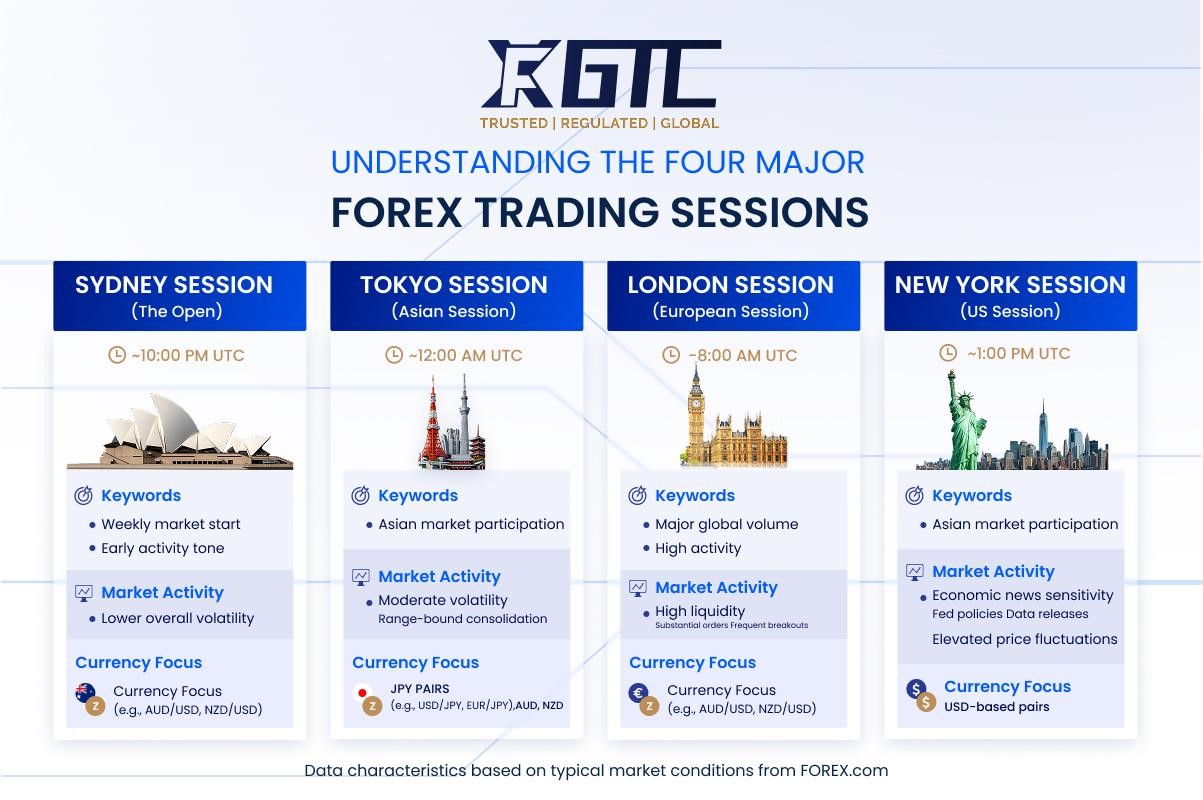
Why Currency Pair Liquidity Matters
The forex market consists of currency pairs with different levels of trading activity. Major pairs such as EUR/USD and GBP/USD generally attract substantial global trading volume, while minor and exotic pairs may have fewer market participants.
Liquidity refers to how easily an instrument can be bought or sold without significantly affecting its market price. When liquidity is high, there are typically more buyers and sellers available at different price levels. This can contribute to narrower bid and ask spreads.
For less liquid pairs, the available market depth may be lower. As a result, the difference between the buying and selling price can become wider, particularly when market conditions change quickly.
This is why traders should not assume that the spread seen on one currency pair will apply to every instrument offered by a forex trading platform.
What Causes Spreads to Change?
A spread represents the difference between the bid price and ask price. It is influenced by several factors rather than remaining constant throughout the trading day.
Market liquidity is one major factor. During periods of strong participation, spreads on heavily traded pairs may become relatively narrow. During quieter periods, the available liquidity can decrease.
Economic announcements can also affect pricing conditions. Interest rate decisions, inflation data, employment reports, and geopolitical developments can cause sudden changes in currency demand. When market participants adjust positions rapidly, spreads can expand.
The characteristics of the currency pair also matter. Exotic pairs can involve currencies from emerging or smaller markets, where trading activity may be lower than in major pairs. For this reason, traders comparing a safe forex trading platform should examine actual trading conditions across the specific instruments they intend to trade rather than focusing only on the lowest advertised spread.
Look Beyond the Advertised Spread
A low spread can be useful, but it should not be considered in isolation. Traders should also examine whether commissions apply, how orders are executed, and what liquidity arrangements support the quoted prices.
For example, GTCFX states that its ECN account offers spreads from 0.0 pips with a transparent commission of $5 per lot, while its Standard account offers spreads from 1.0 pips with zero commission. These account structures illustrate why comparing the total trading cost can be more meaningful than comparing the spread alone.
Execution speed is another consideration. Delays between submitting an order and receiving execution can matter when prices are moving rapidly. GTCFX states that its forex infrastructure supports execution below 10 milliseconds and direct market routing.
What Makes a Forex Trading Platform Worth Evaluating?
For traders researching a safe forex trading platform, safety should involve more than a simple marketing claim. Regulatory status, legal entity information, account security, risk disclosures, and the availability of clear trading terms deserve attention.
GTCFX operates through separately incorporated entities across several jurisdictions. Its published regulatory information identifies entities associated with regulators including the FSCA in South Africa, VFSC in Vanuatu, ASIC in Australia, FSC in Mauritius, and AOFA in Anjouan. Importantly, GTCFX states that each licence applies only to the specific entity holding it, rather than automatically extending to every company within the wider group.
This distinction is important because the regulatory protections and available services can depend on the client’s jurisdiction and contracting entity. Traders should therefore check which legal entity they would contract with before opening an account.
Platform Technology Also Matters
Trading conditions are only useful when the platform can provide the tools needed to monitor and manage positions effectively.
GTCFX supports MT4 and MT5, while its GTC Go application provides mobile access with real time alerts and biometric login. MT4 offers charting, automated trading, and one click execution, while MT5 provides additional timeframes, market depth, and analytical features.
Having access across desktop, web, and mobile environments can also make it easier for traders to monitor open positions and respond to changing market conditions.
Risk Management Should Remain Central
No forex trading platform can remove market risk. Forex CFDs are leveraged derivatives, meaning that leverage can amplify both gains and losses. GTCFX itself states that FX and CFDs carry a high level of risk and that traders can lose invested capital. Its risk disclosure also explains that stop loss, take profit, margin call, and automatic liquidation features do not guarantee execution at a requested price.
For this reason, evaluating a platform should include understanding margin requirements, leverage, liquidation conditions, transaction costs, and the specific risks associated with the currency pairs being traded.
Making a More Informed Platform Choice
A suitable forex trading platform should provide more than an attractive spread. Traders can evaluate liquidity, execution, commissions, available currency pairs, platform functionality, regulatory information, and risk disclosures together.
GTCFX offers access to more than 70 FX pairs and provides MT4, MT5, and GTC Go access depending on account and regional availability. Its published information also provides details about its entities, licences, trading conditions, and associated risks.
Ultimately, understanding how spreads work and what influences trading costs can help traders assess platforms based on the conditions that actually matter to their trading approach. A careful review of costs, execution, regulation, and risk management is a more useful starting point than choosing a platform based on a single advertised feature.