


 Strategic Benefits of Utility Scale Battery Storage InfrastructureGrid stabilization relies upon high-capacity storage solutions that provide rapid response services during frequency deviations. When renewable generation drops, these assets inject stored power into the transmission network within milliseconds. By managing load profiles effectively, these systems prevent grid congestion and reduce the need for fossil-fuel-based peaking plants. Maintaining stable frequency levels remains the core objective for operators seeking resilient electrical infrastructure across member nations.Secondary applications include peak shaving and energy arbitrage, which generate significant value for project developers. By storing excess energy during periods of high generation and low demand, facilities sell power back when market prices climb. This economic model supports the financial viability of massive battery parks while ensuring supply remains available when consumers need it most. Efficient energy management ensures that capital expenditures generate consistent returns for asset owners.Driving Factors for Deployment and Market GrowthDecarbonization mandates across Europe are pushing utility companies toward massive capacity expansion targets. Governments offer various incentives to attract private investment into critical storage infrastructure needed to replace retired thermal capacity. These policies aim to foster a sustainable ecosystem where supply and demand align seamlessly. Project developers analyze regional grid codes to determine where to focus their development resources for maximum impact.Supply chain optimization provides a competitive advantage for firms aiming to complete projects on aggressive timelines. Building efficient logistics pipelines ensures that high-quality battery modules arrive on site without unexpected delays. Reliable suppliers who offer deep technical support help contractors minimize operational risks throughout the project life cycle. This methodical approach to resource allocation allows developers to scale their activities across diverse European markets effectively.Enhancing Grid Efficiency with Advanced Utility Scale Battery Energy Storage SystemsModern power electronics and intelligent control software are essential for maximizing the operational lifespan of battery assets. These systems monitor health metrics, such as state of charge and temperature, to ensure optimal performance during intensive cycles. Improved thermal management solutions allow for higher energy density, which reduces the physical footprint of large installations. Such innovations demonstrate the rapid technical progress occurring within the broader energy sector.Effective power management requires sophisticated digital platforms that communicate directly with wholesale electricity markets. Automated bidding algorithms adjust discharge schedules based on real-time price signals to maximize revenue streams for operators. These technologies minimize human error and ensure that stored energy reaches the grid exactly when needed. Advanced software integration provides a reliable foundation for long-term energy trading strategies and asset optimization efforts.Verifying Safety Standards for Grid-Connected AssetsSafety certifications provide objective verification of rigorous engineering standards and robust manufacturing practices. Energy infrastructure installations must comply with strict international benchmarks and regional grid codes. Comprehensive thermal runaway mitigation strategies must be integrated at the cell, module, and system levels. Developers must scrutinize safety records and independent testing reports to eliminate catastrophic risks before contract execution.Robust physical containment designs and advanced fire suppression systems form the baseline of secure installations. Partners should offer multi-layered defensive features, including liquid cooling mechanisms that maintain uniform temperature distribution. These proactive safety measures protect capital investments and build trust with local communities and regulatory bodies. Identifying vendors with strong safety records and documented compliance can support smoother permitting and risk assessment processes.Financial Bankability and Global Deployment HistoryLong-term asset viability requires a financially stable partner capable of honoring extended warranty commitments over decades. Capital-intensive energy projects may require bankability assessments and independent due diligence to support project financing decisions. Financial health allows integrators to sustain substantial research budgets and weather macroeconomic fluctuations without compromising service quality. Developers should review balance sheets and global deployment histories to confirm enduring corporate stability.A proven track record across diverse geographic markets demonstrates an integrator’s ability to adapt to distinct regulatory frameworks. Successful execution of multiple gigawatt-hours of operational storage indicates mature commissioning protocols and reliable field service. Partners with deep experience handle logistical complexities and grid interconnection processes efficiently, minimizing costly project delays. Verified case studies offer tangible evidence of real-world performance and asset reliability.Utilizing One-Stop Solutions for Complete Lifecycle ValueSourcing comprehensive solutions from a single entity minimizes execution risks and simplifies project accountability. Turnkey integrators manage everything from initial system design and smart manufacturing to final commissioning and site maintenance. This holistic methodology reduces friction between disparate contractors and accelerates commercial operation dates. As a prominent global energy storage system provider, HyperStrong offers these comprehensive one-stop solutions.They provide specialized systems for utility-scale, commercial, and industrial applications to support global carbon neutrality goals. Through robust R&D, HyperStrong implements smart manufacturing to deliver advanced storage and power management that drive the clean energy transition. This integrated approach is designed to support reliable system performance and long-term asset value. Partnering with comprehensive providers enables developers to mitigate execution complexities.ConclusionSecuring the right integration partner is essential for maximizing the performance of modern utility scale battery energy storage systems. Project owners must systematically evaluate technical depth, manufacturing scale, and software intelligence to achieve enduring project success. This thorough vetting process guarantees that deployed utility scale battery storage assets deliver reliable grid services. Entities like HyperStrong remain dedicated to providing the advanced storage capabilities required to achieve sustainable energy goals.
The Future of Utility Scale Battery Storage in Europe
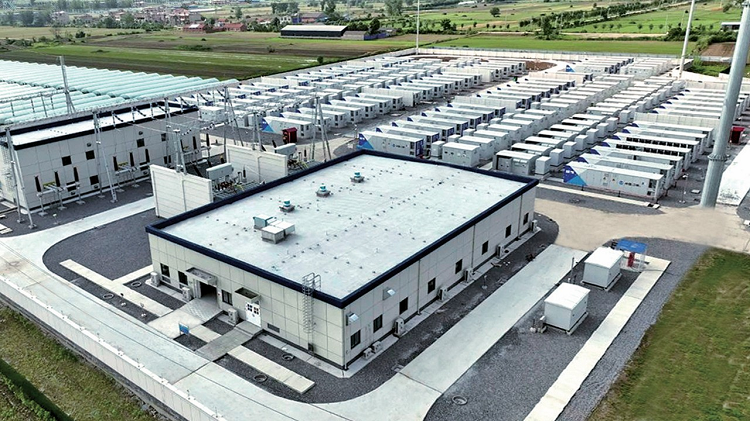
The shifting global energy landscape demands robust infrastructure, forcing project developers to evaluate grid capabilities in Europe. Deploying comprehensive utility scale battery energy storage systems requires robust collaboration with an experienced integrator. Implementing large-scale accumulation assets involves extensive long-term capital investments, making technical proficiency a critical differentiator. Industry participants must prioritize manufacturing quality and advanced software integration to secure continuous operational efficiency. Strategic Benefits of Utility Scale Battery Storage InfrastructureGrid stabilization relies upon high-capacity storage solutions that provide rapid response services during frequency deviations. When renewable generation drops, these assets inject stored power into the transmission network within milliseconds. By managing load profiles effectively, these systems prevent grid congestion and reduce the need for fossil-fuel-based peaking plants. Maintaining stable frequency levels remains the core objective for operators seeking resilient electrical infrastructure across member nations.Secondary applications include peak shaving and energy arbitrage, which generate significant value for project developers. By storing excess energy during periods of high generation and low demand, facilities sell power back when market prices climb. This economic model supports the financial viability of massive battery parks while ensuring supply remains available when consumers need it most. Efficient energy management ensures that capital expenditures generate consistent returns for asset owners.Driving Factors for Deployment and Market GrowthDecarbonization mandates across Europe are pushing utility companies toward massive capacity expansion targets. Governments offer various incentives to attract private investment into critical storage infrastructure needed to replace retired thermal capacity. These policies aim to foster a sustainable ecosystem where supply and demand align seamlessly. Project developers analyze regional grid codes to determine where to focus their development resources for maximum impact.Supply chain optimization provides a competitive advantage for firms aiming to complete projects on aggressive timelines. Building efficient logistics pipelines ensures that high-quality battery modules arrive on site without unexpected delays. Reliable suppliers who offer deep technical support help contractors minimize operational risks throughout the project life cycle. This methodical approach to resource allocation allows developers to scale their activities across diverse European markets effectively.Enhancing Grid Efficiency with Advanced Utility Scale Battery Energy Storage SystemsModern power electronics and intelligent control software are essential for maximizing the operational lifespan of battery assets. These systems monitor health metrics, such as state of charge and temperature, to ensure optimal performance during intensive cycles. Improved thermal management solutions allow for higher energy density, which reduces the physical footprint of large installations. Such innovations demonstrate the rapid technical progress occurring within the broader energy sector.Effective power management requires sophisticated digital platforms that communicate directly with wholesale electricity markets. Automated bidding algorithms adjust discharge schedules based on real-time price signals to maximize revenue streams for operators. These technologies minimize human error and ensure that stored energy reaches the grid exactly when needed. Advanced software integration provides a reliable foundation for long-term energy trading strategies and asset optimization efforts.Verifying Safety Standards for Grid-Connected AssetsSafety certifications provide objective verification of rigorous engineering standards and robust manufacturing practices. Energy infrastructure installations must comply with strict international benchmarks and regional grid codes. Comprehensive thermal runaway mitigation strategies must be integrated at the cell, module, and system levels. Developers must scrutinize safety records and independent testing reports to eliminate catastrophic risks before contract execution.Robust physical containment designs and advanced fire suppression systems form the baseline of secure installations. Partners should offer multi-layered defensive features, including liquid cooling mechanisms that maintain uniform temperature distribution. These proactive safety measures protect capital investments and build trust with local communities and regulatory bodies. Identifying vendors with strong safety records and documented compliance can support smoother permitting and risk assessment processes.Financial Bankability and Global Deployment HistoryLong-term asset viability requires a financially stable partner capable of honoring extended warranty commitments over decades. Capital-intensive energy projects may require bankability assessments and independent due diligence to support project financing decisions. Financial health allows integrators to sustain substantial research budgets and weather macroeconomic fluctuations without compromising service quality. Developers should review balance sheets and global deployment histories to confirm enduring corporate stability.A proven track record across diverse geographic markets demonstrates an integrator’s ability to adapt to distinct regulatory frameworks. Successful execution of multiple gigawatt-hours of operational storage indicates mature commissioning protocols and reliable field service. Partners with deep experience handle logistical complexities and grid interconnection processes efficiently, minimizing costly project delays. Verified case studies offer tangible evidence of real-world performance and asset reliability.Utilizing One-Stop Solutions for Complete Lifecycle ValueSourcing comprehensive solutions from a single entity minimizes execution risks and simplifies project accountability. Turnkey integrators manage everything from initial system design and smart manufacturing to final commissioning and site maintenance. This holistic methodology reduces friction between disparate contractors and accelerates commercial operation dates. As a prominent global energy storage system provider, HyperStrong offers these comprehensive one-stop solutions.They provide specialized systems for utility-scale, commercial, and industrial applications to support global carbon neutrality goals. Through robust R&D, HyperStrong implements smart manufacturing to deliver advanced storage and power management that drive the clean energy transition. This integrated approach is designed to support reliable system performance and long-term asset value. Partnering with comprehensive providers enables developers to mitigate execution complexities.ConclusionSecuring the right integration partner is essential for maximizing the performance of modern utility scale battery energy storage systems. Project owners must systematically evaluate technical depth, manufacturing scale, and software intelligence to achieve enduring project success. This thorough vetting process guarantees that deployed utility scale battery storage assets deliver reliable grid services. Entities like HyperStrong remain dedicated to providing the advanced storage capabilities required to achieve sustainable energy goals.
Strategic Benefits of Utility Scale Battery Storage InfrastructureGrid stabilization relies upon high-capacity storage solutions that provide rapid response services during frequency deviations. When renewable generation drops, these assets inject stored power into the transmission network within milliseconds. By managing load profiles effectively, these systems prevent grid congestion and reduce the need for fossil-fuel-based peaking plants. Maintaining stable frequency levels remains the core objective for operators seeking resilient electrical infrastructure across member nations.Secondary applications include peak shaving and energy arbitrage, which generate significant value for project developers. By storing excess energy during periods of high generation and low demand, facilities sell power back when market prices climb. This economic model supports the financial viability of massive battery parks while ensuring supply remains available when consumers need it most. Efficient energy management ensures that capital expenditures generate consistent returns for asset owners.Driving Factors for Deployment and Market GrowthDecarbonization mandates across Europe are pushing utility companies toward massive capacity expansion targets. Governments offer various incentives to attract private investment into critical storage infrastructure needed to replace retired thermal capacity. These policies aim to foster a sustainable ecosystem where supply and demand align seamlessly. Project developers analyze regional grid codes to determine where to focus their development resources for maximum impact.Supply chain optimization provides a competitive advantage for firms aiming to complete projects on aggressive timelines. Building efficient logistics pipelines ensures that high-quality battery modules arrive on site without unexpected delays. Reliable suppliers who offer deep technical support help contractors minimize operational risks throughout the project life cycle. This methodical approach to resource allocation allows developers to scale their activities across diverse European markets effectively.Enhancing Grid Efficiency with Advanced Utility Scale Battery Energy Storage SystemsModern power electronics and intelligent control software are essential for maximizing the operational lifespan of battery assets. These systems monitor health metrics, such as state of charge and temperature, to ensure optimal performance during intensive cycles. Improved thermal management solutions allow for higher energy density, which reduces the physical footprint of large installations. Such innovations demonstrate the rapid technical progress occurring within the broader energy sector.Effective power management requires sophisticated digital platforms that communicate directly with wholesale electricity markets. Automated bidding algorithms adjust discharge schedules based on real-time price signals to maximize revenue streams for operators. These technologies minimize human error and ensure that stored energy reaches the grid exactly when needed. Advanced software integration provides a reliable foundation for long-term energy trading strategies and asset optimization efforts.Verifying Safety Standards for Grid-Connected AssetsSafety certifications provide objective verification of rigorous engineering standards and robust manufacturing practices. Energy infrastructure installations must comply with strict international benchmarks and regional grid codes. Comprehensive thermal runaway mitigation strategies must be integrated at the cell, module, and system levels. Developers must scrutinize safety records and independent testing reports to eliminate catastrophic risks before contract execution.Robust physical containment designs and advanced fire suppression systems form the baseline of secure installations. Partners should offer multi-layered defensive features, including liquid cooling mechanisms that maintain uniform temperature distribution. These proactive safety measures protect capital investments and build trust with local communities and regulatory bodies. Identifying vendors with strong safety records and documented compliance can support smoother permitting and risk assessment processes.Financial Bankability and Global Deployment HistoryLong-term asset viability requires a financially stable partner capable of honoring extended warranty commitments over decades. Capital-intensive energy projects may require bankability assessments and independent due diligence to support project financing decisions. Financial health allows integrators to sustain substantial research budgets and weather macroeconomic fluctuations without compromising service quality. Developers should review balance sheets and global deployment histories to confirm enduring corporate stability.A proven track record across diverse geographic markets demonstrates an integrator’s ability to adapt to distinct regulatory frameworks. Successful execution of multiple gigawatt-hours of operational storage indicates mature commissioning protocols and reliable field service. Partners with deep experience handle logistical complexities and grid interconnection processes efficiently, minimizing costly project delays. Verified case studies offer tangible evidence of real-world performance and asset reliability.Utilizing One-Stop Solutions for Complete Lifecycle ValueSourcing comprehensive solutions from a single entity minimizes execution risks and simplifies project accountability. Turnkey integrators manage everything from initial system design and smart manufacturing to final commissioning and site maintenance. This holistic methodology reduces friction between disparate contractors and accelerates commercial operation dates. As a prominent global energy storage system provider, HyperStrong offers these comprehensive one-stop solutions.They provide specialized systems for utility-scale, commercial, and industrial applications to support global carbon neutrality goals. Through robust R&D, HyperStrong implements smart manufacturing to deliver advanced storage and power management that drive the clean energy transition. This integrated approach is designed to support reliable system performance and long-term asset value. Partnering with comprehensive providers enables developers to mitigate execution complexities.ConclusionSecuring the right integration partner is essential for maximizing the performance of modern utility scale battery energy storage systems. Project owners must systematically evaluate technical depth, manufacturing scale, and software intelligence to achieve enduring project success. This thorough vetting process guarantees that deployed utility scale battery storage assets deliver reliable grid services. Entities like HyperStrong remain dedicated to providing the advanced storage capabilities required to achieve sustainable energy goals.