

Vector-borne diseases present significant diagnostic challenges due to shared geographic distribution and near-identical initial symptoms among circulating pathogens. Healthcare providers frequently encounter patients presenting with acute fever and rash where clinical evaluation alone cannot distinguish causative agents.
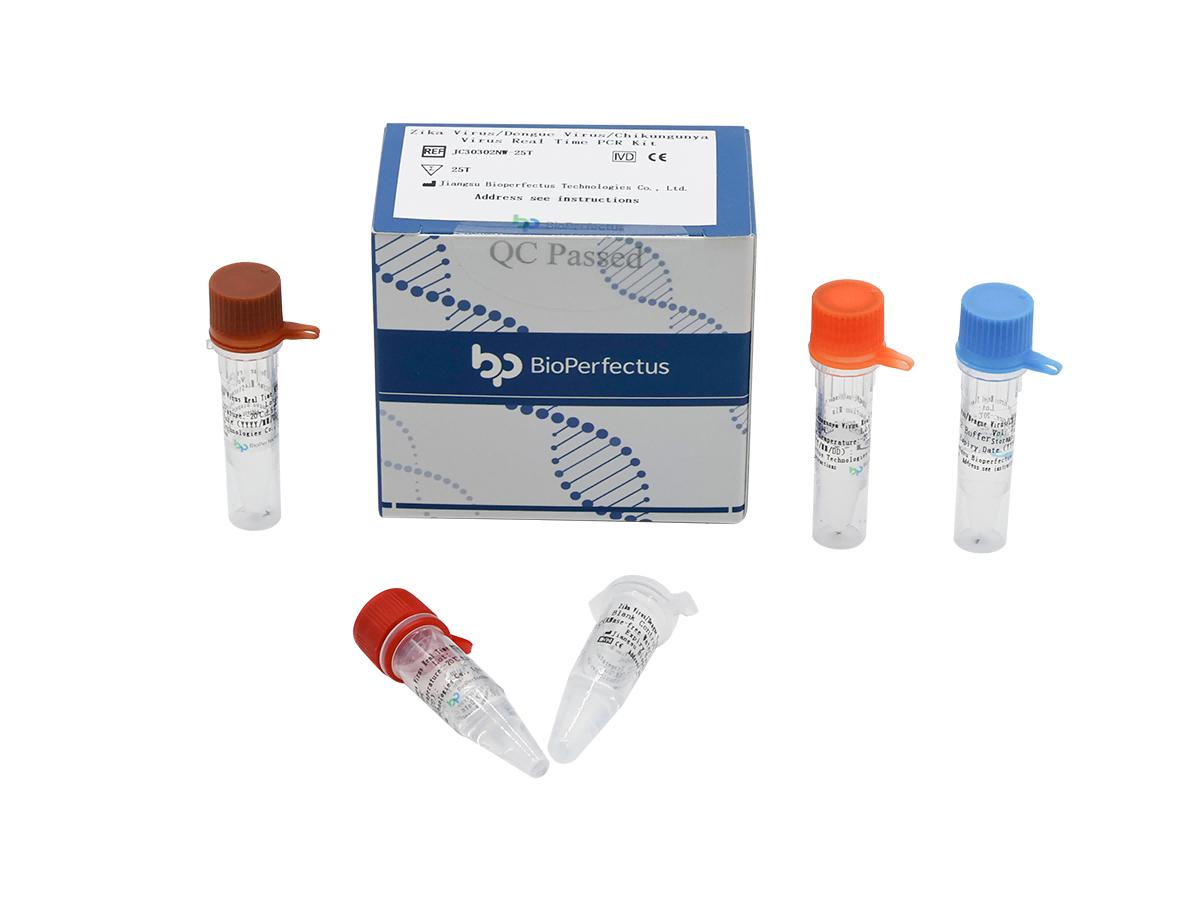
Laboratories processing suspect cases must decide whether to deploy traditional singleplex assays or adopt a consolidated Multiplex PCR Test for Zika, Dengue & Chikungunya to optimize workflow efficiency. Evaluating diagnostic efficacy requires careful examination of reagent consumption and turnaround time.
Single-target assays require running separate individual reactions for each suspected viral agent, multiplying the volume of clinical material consumed per patient. Technicians handling high-volume outbreak investigations face severe bottlenecks when managing multiple parallel test runs.
Resource-constrained facilities often experience workflow friction and extended reporting delays under heavy testing demands. Deploying a streamlined multiplex PCR test eliminates redundant pipetting steps by consolidating targets into one reaction tube. Operational efficiency improves markedly when laboratories reduce procedural complexity.
Co-endemic transmission zones require diagnostic tools capable of identifying overlapping infections without requiring excessive specimen volumes from vulnerable patients. Arboviruses such as dengue, chikungunya, and Zika circulate concurrently in tropical regions worldwide.
Patient management protocols differ significantly depending on the confirmed viral agent driving clinical presentation. Molecular laboratories require robust diagnostic frameworks that deliver high accuracy without draining institutional resources.
Managing Overlapping Clinical Presentations in Vector-Borne Surveillance
Differentiating concurrent arbovirus infections presents unique obstacles for molecular diagnostics laboratories relying on fragmented testing menus. Running sequential singleplex reactions increases the risk of exhausting limited patient samples before achieving a definitive diagnosis.
Diagnostic accuracy depends heavily on target specificity and analytical reliability across all suspected viral entities. Implementing the Zika Virus / Dengue Virus / Chikungunya Virus Real-Time PCR Kit solves sample scarcity issues by detecting three major arboviruses simultaneously.
Multiplexed molecular assays utilize distinct fluorescent reporter dyes to differentiate target nucleic acid sequences within a single reaction well. Technicians benefit from simplified master mix preparation and reduced instrument channel consumption during routine diagnostic operations.
Manufacturing standards established by BioPerfectus ensure that fluorescent signals remain distinct and free from optical cross-talk. Advanced engineering principles maintain high analytical sensitivity even when multiple primer sets operate simultaneously.
Analytical sensitivity remains a cornerstone requirement when detecting low viral titers during early acute infection phases. High-tier multiplex molecular assays achieve exceptional limit of detection benchmarks to capture minimal viral loads effectively.
Specifically, the designated triplex assay demonstrates a limit of detection of five copies per reaction. Such analytical power ensures that low-level viraemia is accurately identified before clinical symptoms progress.
Specimen Versatility Across Complex Matrix Types
Sample matrix selection plays a decisive role in successful arbovirus detection workflows across diverse clinical settings. Singleplex assays often demand separate specimen aliquots for each individual pathogen target being investigated.
Managing multiple sample types across disparate protocols increases administrative burden and laboratory error rates. Utilizing a Multiplex PCR Test for Zika, Dengue & Chikungunya ensures broad sample compatibility to streamline handling stages.
Human serum and EDTA whole blood serve as reliable primary specimen types for detecting dengue, chikungunya, and Zika viruses concurrently. Cerebrospinal fluid provides an essential diagnostic matrix when patients exhibit neurological complications associated with arboviral central nervous system involvement.
Specialized viral tropism requires flexible assay compatibility extending beyond routine blood collections. Urinary and amniotic fluid specimens are supported specifically for Zika virus RNA detection.
Targeted specimen allocation prevents unnecessary specimen rejection while maintaining strict adherence to validated diagnostic guidelines. Laboratory supervisors rely on structured sample acceptance criteria to maintain accreditation standards and quality assurance benchmarks.
Reagent formulations developed by BioPerfectus incorporate internal process controls to monitor extraction and amplification efficiency. Monitoring internal control performance ensures that PCR inhibition is detected immediately.
Optimizing Laboratory Throughput and Analytical Sensitivity
High-throughput processing capacity remains essential when seasonal vector populations surge and testing requests multiply exponentially. Laboratories utilizing traditional singleplex workflows frequently struggle to maintain acceptable turnaround times under heavy caseloads.
Consolidating targets into a single analytical run maximizes instrument utilization rates during critical public health windows. Mainstream real-time PCR instrumentation integration allows facilities to expand output.
Operational efficiency scales dramatically when ninety-six tests are processed within approximately seventy-nine minutes on compatible thermal cyclers. Standardized sample input volumes, such as five microliters per reaction, minimize pipetting errors and protect operator ergonomics. Diagnostic facilities deploying a reliable multiplex PCR test achieve rapid result reporting for urgent clinical triage. Fast turnaround times empower medical professionals.
Cost-effectiveness extends beyond initial reagent pricing to encompass labor reduction, waste minimization, and storage optimization. Compact kit packaging, available in twenty-five or fifty test configurations, allows smaller facilities to manage inventory rotation successfully.
Reliable supply chains maintained by BioPerfectus ensure continuous reagent availability for healthcare institutions facing sudden epidemiological outbreaks. Strategic reagent selection safeguards laboratory budgets.
Comprehensive diagnostic solutions require rigorous validation data and robust technical support to satisfy regulatory compliance mandates. Choosing between singleplex methodologies and advanced panel testing involves balancing immediate workflow constraints against long-term operational goals.
Deploying an advanced Multiplex PCR Test for Zika, Dengue & Chikungunya equips laboratories to handle multi-pathogen threats seamlessly. Public health networks benefit immensely from standardized assay platforms.
Future vector-borne disease surveillance depends on adopting scalable molecular technologies that adapt to changing epidemiological landscapes. Laboratories must continuously evaluate assay performance parameters to maintain clinical excellence and epidemiological vigilance.
Implementing a validated multiplex PCR test establishes a strong foundation for managing complex viral outbreaks effectively. Coordinated testing strategies ensure long-term diagnostic resilience.